

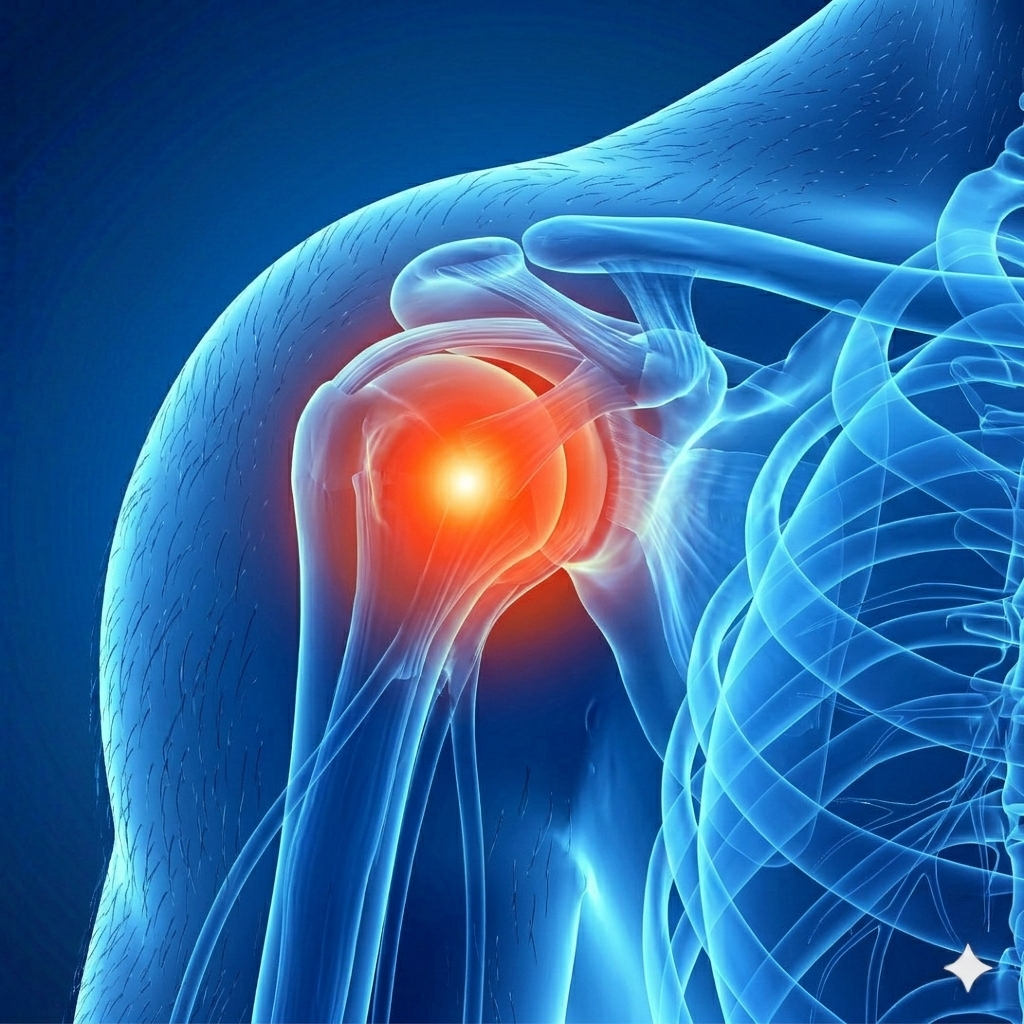
Upper Extremity Injection Procedures (Shoulder, Elbow, Wrist & Hand)
Upper extremity concerns can affect the shoulder, elbow, wrist, and hand, often impacting mobility, strength, and day-to-day function. At ReimageMD, patients undergo a comprehensive physician evaluation to determine whether certain non-surgical injection procedures may be appropriate to discuss based on individual clinical circumstances.
During consultation, physicians review medical history, prior treatments, imaging when available, and current symptoms. This evaluation helps determine whether conservative injection-based approaches may be considered as part of an individualized care plan.
Treatment discussions may include conventional injection therapies as well as platelet-rich plasma (PRP) or other biologic procedures when clinically appropriate.
Procedures are performed within appropriate clinical settings under physician supervision.
Conditions Patients May Explore
Patients often seek consultation when experiencing persistent upper extremity symptoms that affect function or mobility. During consultation, physicians may evaluate concerns involving areas such as:
Shoulder discomfort or mobility limitations
Elbow tendon or joint concerns
Wrist or hand discomfort
Soft-tissue or tendon-related concerns
Overuse or activity-related symptoms
The consultation process focuses on understanding each patient’s clinical history and determining whether non-surgical injection procedures may be appropriate to discuss.
Injection Procedures Discussed During Consultation
Depending on the clinical situation, physicians may review injection procedures commonly used in musculoskeletal care. These may include:
Corticosteroid injections
Hyaluronic acid (HA) injections
Platelet-Rich Plasma (PRP) procedures
Targeted soft-tissue or trigger point injections
Image-guided injections using ultrasound guidance when clinically indicated
Other biologic procedures discussed when clinically appropriate
All treatment options are reviewed during consultation, including potential risks, benefits, and reasonable alternatives.
Injection-based procedures represent one of several non-surgical options that may be discussed depending on the individual clinical situation.
The Consultation Process
Every patient begins with a physician consultation designed to evaluate their individual clinical situation.
Medical History Review
Evaluation of symptoms, prior treatments, imaging when available, and functional concerns.
Clinical Assessment
Physicians determine whether injection-based procedures may be appropriate to discuss based on the patient’s medical history and current presentation.
Discussion of Options
Potential treatment approaches, risks, benefits, and reasonable alternatives are reviewed so patients can make informed decisions about their care.
Common Questions
Do I need imaging before upper extremity injection procedures?
During consultation, physicians review prior imaging when available. If imaging has not been performed or additional evaluation is needed, appropriate diagnostic studies may be recommended before discussing certain shoulder, elbow, wrist, or hand injection procedures.
Are injection procedures performed during the first visit?
In many cases, the first visit focuses on consultation and clinical evaluation. If appropriate, injection procedures may be scheduled for a later visit after reviewing medical history, imaging, and treatment options.
What types of injection procedures may be discussed for upper extremity concerns?
Depending on the clinical situation, physicians may discuss procedures commonly used in musculoskeletal care. These may include corticosteroid injections, hyaluronic acid injections, platelet-rich plasma (PRP) procedures, or other biologic approaches when clinically appropriate.
Are these procedures considered surgical?
The procedures discussed at ReimageMD are non-surgical injection procedures performed within a clinical setting under physician supervision.
How do I know if I am a candidate for injection procedures?
Eligibility depends on many factors, including medical history, current symptoms, prior treatments, and imaging findings. The consultation process helps determine whether certain procedures may be appropriate to consider.